

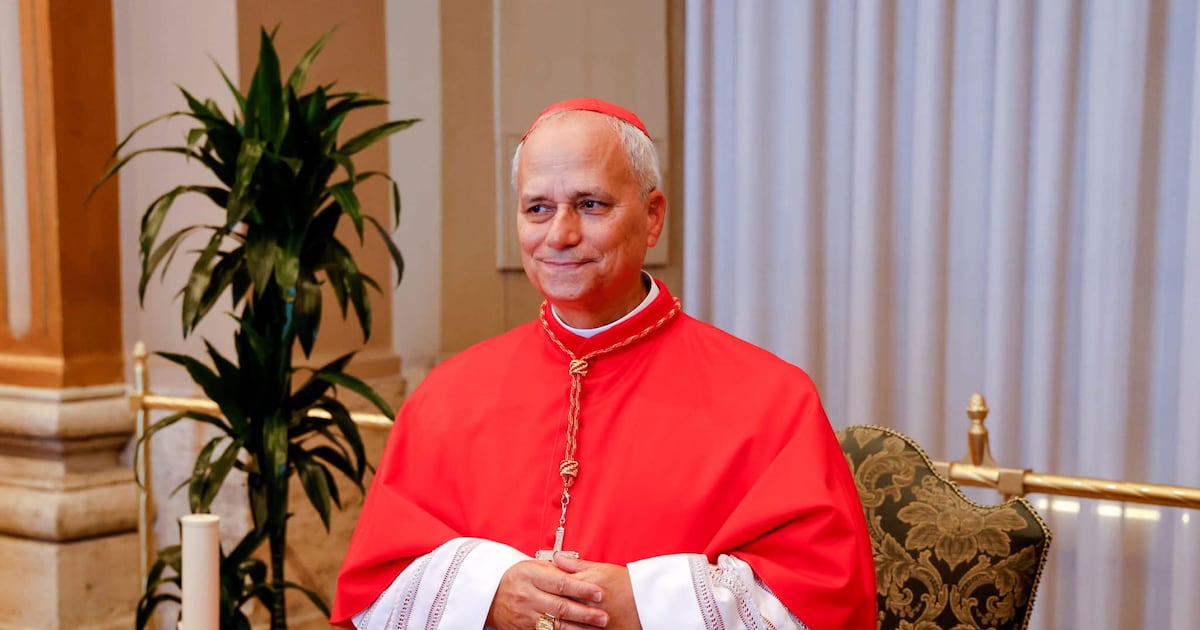

In recent months, the election of Pope Leo XIV as the new leader of the Catholic Church has sparked significant attention worldwide. However, one aspect that has drawn particular interest is his critical stance toward prominent political figures in the United States. Specifically, Pope Leo XIV has publicly criticized former President Donald Trump and his former Vice President, JD Vance, for their controversial remarks and policies, especially those related to immigration and social justice.
These criticisms, shared by the Pope on the social media platform X before his election as the head of the Church, have ignited a heated debate among Catholics and non-Catholics alike. Many have praised his willingness to address sensitive topics, while others have expressed concern about the potential politicization of the papacy.
Implications for the Catholic Church in the United States
The Pope’s statements have significant implications for the Catholic Church in the United States, particularly in the context of its role in public discourse. The U.S. Catholic Church has long been a vocal advocate for social justice, including immigration reform. Pope Leo XIV’s criticism of Trump and Vance aligns with this tradition but also raises questions about the Church’s neutrality in political matters.
Some analysts suggest that the Pope’s words could influence Catholic voters in future elections, particularly in swing states where immigration and social justice are hot-button issues. However, others argue that such direct criticism could alienate Catholics who support Trump or Vance, potentially leading to further polarization within the Church.
Reactions from Trump and Vance Supporters
Supporters of Trump and Vance have responded swiftly to the Pope’s criticisms. Many have taken to social media to defend their political leaders, arguing that the Pope should focus on spiritual matters rather than engaging in political disputes. Some have even accused the Pope of overstepping his role as a religious leader.
On the other hand, critics of Trump and Vance have welcomed the Pope’s statements, seeing them as a moral rebuke of policies and rhetoric they believe are harmful to marginalized communities. This divide highlights the deep political polarization in the United States and the challenges the Catholic Church faces in navigating these contentious issues.
What This Means for the Future
As Pope Leo XIV’s papacy continues, his willingness to address controversial political topics is likely to shape the global perception of the Catholic Church. While some may view his criticisms as a bold stand for justice, others may see them as an inappropriate intrusion into political affairs.
For immigrants and advocates of migration reform, the Pope’s stance offers hope that the Church will remain a powerful voice in advocating for their rights. However, it also underscores the complexity of balancing spiritual leadership with political engagement in an increasingly divided world.
In conclusion, Pope Leo XIV’s criticisms of Trump and Vance have sparked a significant and necessary conversation about the role of religious leaders in public discourse. As the Church navigates this complex landscape, its ability to address pressing issues like immigration while maintaining its spiritual mission will be crucial in the years to come.