



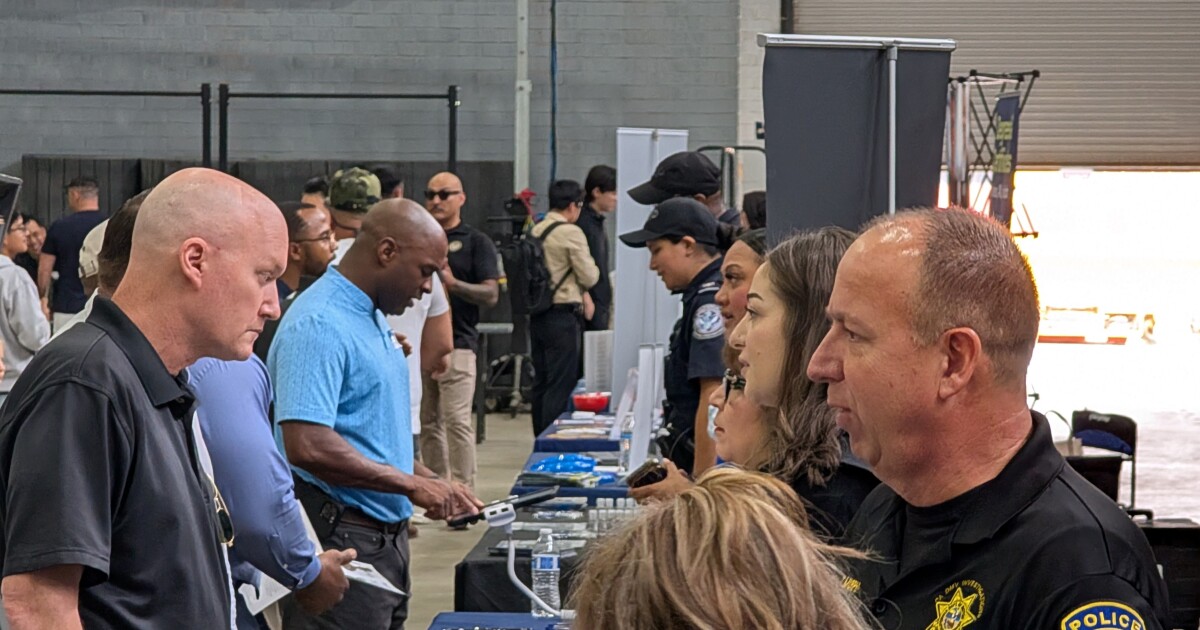

The Department of Homeland Security (DHS) has recently announced a new directive targeting military personnel and veterans as part of its immigration enforcement efforts. This initiative, which began in 2025, aims to recruit individuals with military backgrounds to join specialized units focused on border control and immigration enforcement. The move has sparked significant debate, with critics raising concerns about the potential militarization of immigration policies and the impact on both immigrants and military veterans.
Implications for Veterans and Immigrants
This directive could have profound implications for both military veterans and immigrant communities. For veterans, joining these units may offer employment opportunities, but it also raises questions about the role of military personnel in domestic law enforcement. Critics argue that this could blur the lines between military and civilian roles, potentially leading to conflicts of interest and ethical dilemmas.
For immigrants, the presence of military personnel in immigration enforcement could escalate tensions and create a more hostile environment. Advocacy groups have expressed concerns that this could lead to increased detention rates, deportations, and human rights violations. The involvement of military veterans, who may bring a different mindset to immigration enforcement, further complicates the situation.
Legal and Ethical Concerns
The legal implications of this directive are significant. Immigration enforcement typically falls under the jurisdiction of civilian agencies, and involving military personnel could raise constitutional questions. The Posse Comitatus Act, which limits the use of military personnel in domestic law enforcement, is a key point of contention. Legal experts are examining whether this directive violates such laws, potentially setting the stage for court challenges.
Public Reaction and Advocacy
Public reaction to the directive has been mixed. Some supporters argue that military personnel bring necessary skills and discipline to immigration enforcement, enhancing national security. However, critics, including human rights organizations and legal experts, have condemned the move, arguing that it militarizes immigration policy and endangers vulnerable populations.
Advocacy groups are urging Congress to investigate the directive and ensure that it complies with existing laws. They are also calling for greater transparency regarding the roles and responsibilities of military personnel in immigration enforcement. As the situation unfolds, legal challenges and public outcry may shape the future of this initiative.
Conclusion
The DHS directive targeting military personnel and veterans for immigration enforcement roles is a controversial move with far-reaching consequences. While it may address certain aspects of border control, it also raises significant legal, ethical, and social concerns. As the debate continues, it is crucial for policymakers, legal experts, and the public to engage in a nuanced discussion about the balance between national security and human rights. The outcome of this initiative will undoubtedly have a lasting impact on immigration policies and the role of the military in domestic affairs.