




## Causes of the Decline
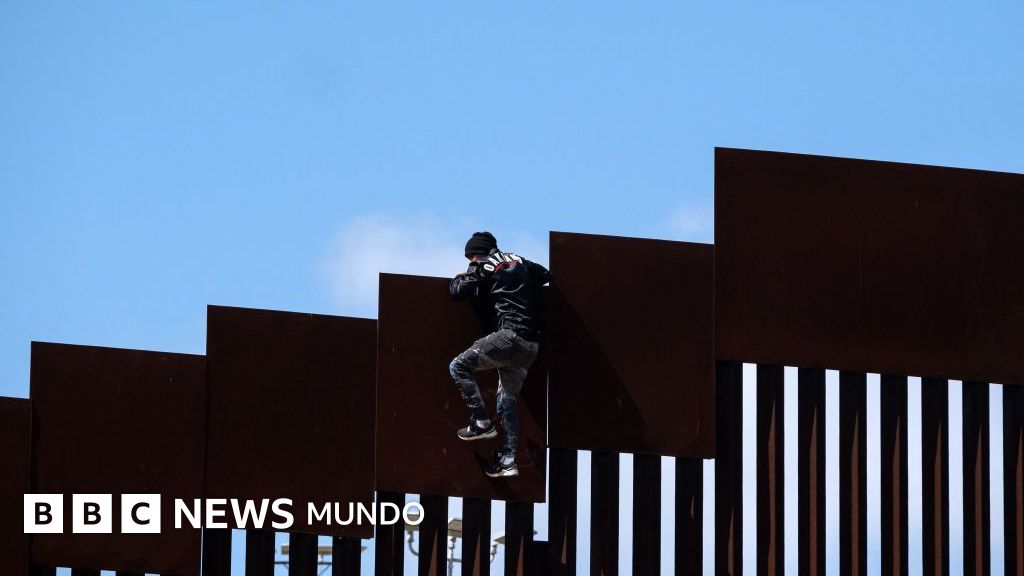
The decline in illegal border crossings can be attributed to several factors. One major reason is the increased security measures along the US-Mexico border, including the deployment of advanced technology and additional personnel. These efforts have made it more difficult for individuals to cross without authorization.
Another significant factor is the change in migration patterns. In recent years, there has been a noticeable shift towards legal migration pathways, such as temporary work visas and asylum programs. This shift has encouraged many potential migrants to pursue legal avenues rather than risking unauthorized entry.
Additionally, economic conditions in both the United States and Mexico have played a role. Improved economic opportunities in Mexico and Central America have reduced the incentive for some individuals to migrate northward. At the same time, the US economy has experienced fluctuations that may have dampened the demand for unauthorized labor.
### Challenges and Future Outlook
Despite the decline in illegal crossings, challenges remain. Many migrants continue to face harsh conditions during their journeys, and the risk of exploitation by human traffickers persists. Additionally, the complex legal landscape surrounding immigration can create barriers for those seeking to enter the US through legal channels.
Looking ahead, the future of US-Mexico border management will likely involve continued investments in technology and infrastructure. However, experts emphasize the importance of balancing security measures with humane treatment and legal protections for migrants. Collaboration between the two nations will be crucial in addressing the root causes of migration and ensuring that policies are both effective and equitable.
### Conclusion
The reduction in illegal border crossings is a notable achievement, but it also highlights the need for ongoing efforts to address the broader issues surrounding immigration. By focusing on legal pathways, economic development, and regional cooperation, the US and Mexico can work towards a more sustainable and just immigration system. As the situation continues to evolve, it will be important to monitor these trends and adapt policies accordingly to meet the challenges and opportunities that lie ahead.