



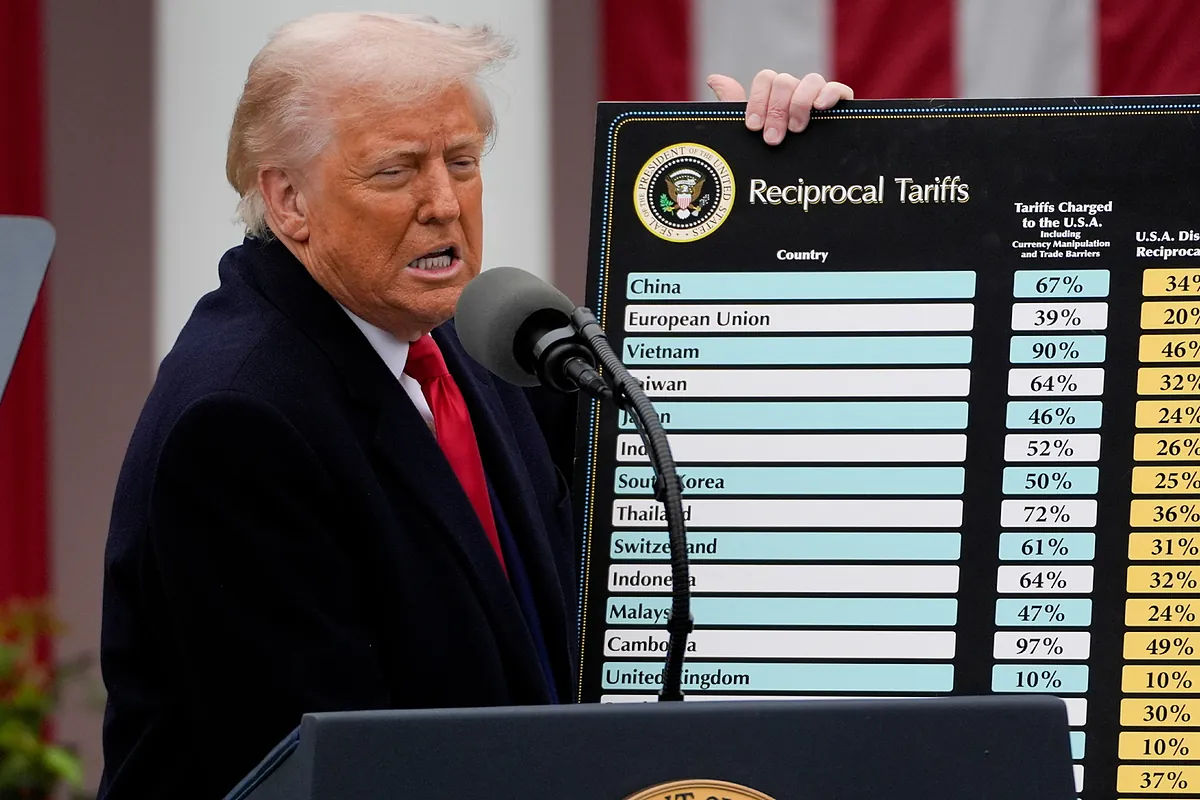

On Wednesday, October 30, 2025, the U.S. Commerce Court handed down a landmark ruling that has sent shockwaves through the political and economic landscape. The court declared that the tariffs imposed by former President Donald Trump on imported goods were illegal. This decision not only has significant implications for U.S. trade policy but also raises important questions about the broader impact on immigration and legal frameworks.
The tariffs in question were implemented during Trump’s presidency as part of his «America First» agenda, which aimed to protect domestic industries and reduce the trade deficit. However, the court found that these measures violated key provisions of U.S. trade law, particularly those related to the imposition of tariffs without proper congressional approval. This ruling is a major setback for Trump, who has been vocal about his trade policies and their supposed benefits for the American economy.
Legal Implications and the Future of Trade Policies
The court’s decision is a clear rebuke of the Trump administration’s approach to trade policy. By declaring the tariffs illegal, the court has underscored the importance of adhering to established legal frameworks when implementing such measures. This ruling could have far-reaching consequences, not only for future trade policies but also for how the executive branch interacts with Congress on matters of economic policy.
One of the key arguments made by the court was that the tariffs were imposed without the necessary authorization from Congress. This decision reinforces the principle of separation of powers and the role of Congress in matters of international trade. It also raises questions about the limits of executive authority, particularly in areas where the Constitution grants specific powers to the legislative branch.
Impact on Immigration and Legal Immigration Issues
While the ruling primarily concerns trade policy, it also has indirect implications for immigration and legal immigration issues. The Trump administration’s approach to trade and immigration has often been intertwined, with both areas being framed as part of a broader «America First» agenda. This decision could potentially weaken the administration’s ability to implement other policies, including those related to immigration.
Moreover, the court’s emphasis on the rule of law and the importance of proper legal procedures could set a precedent for how immigration policies are challenged in the future. This ruling highlights the need for transparency and accountability in the implementation of policies that affect not only U.S. citizens but also immigrants and businesses that rely on international trade.
In conclusion, the U.S. Commerce Court’s decision to declare Trump’s tariffs illegal is a significant legal and political development. It underscores the importance of adhering to established legal frameworks and could have far-reaching implications for both trade and immigration policies. As the political landscape continues to evolve, this ruling serves as a reminder of the critical role that the judiciary plays in ensuring that executive actions are lawful and constitutional.