



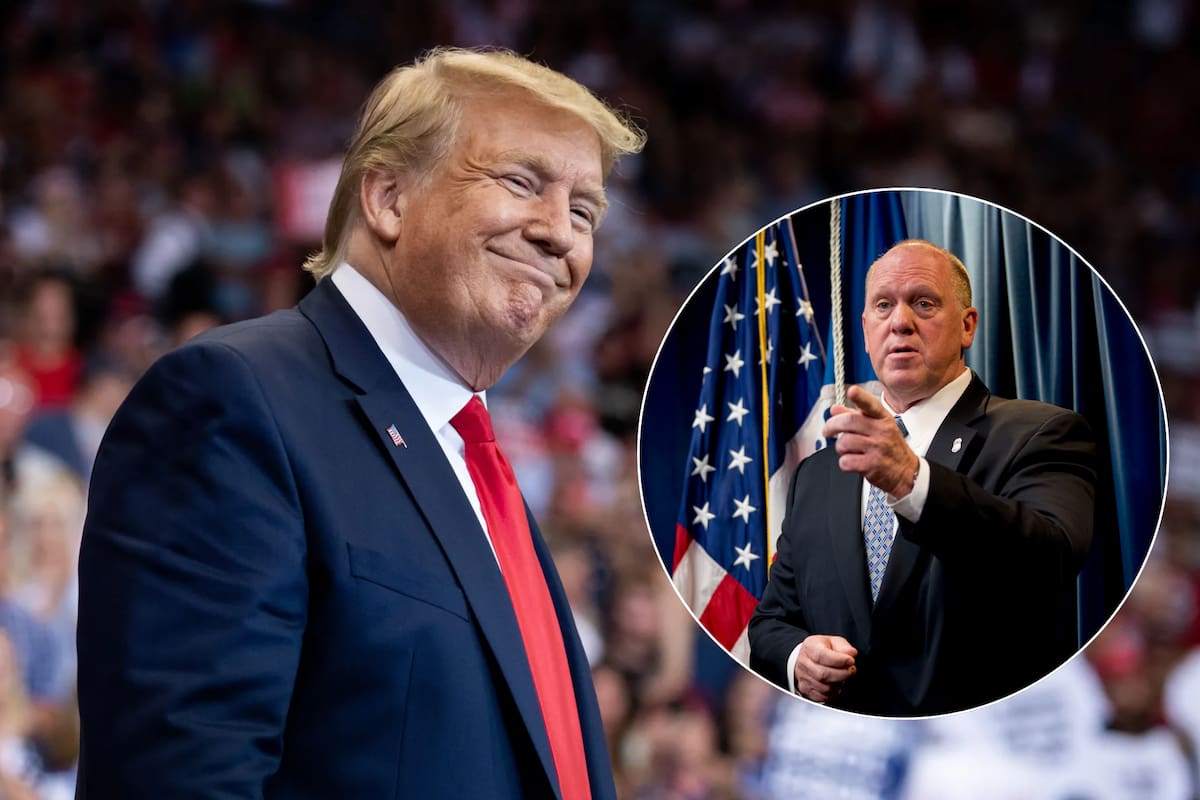

Context of Migrant Releases
During his tenure, the Trump administration implemented stringent immigration policies aimed at reducing the number of migrants entering the U.S. A central aspect of these policies was the limited release of migrants into the country, with a focus on detention and deportation. Homan’s recent disclosure indicates that fewer than 10 migrants were released during a specific period, reflecting the administration’s tough stance.
Comparative Analysis with the Biden Administration
In contrast, the Biden administration has faced criticism for its approach, which some argue has led to an increase in migrant releases. This shift in policy has been a point of contention, with debates centered on national security, humanitarian concerns, and legal implications. The comparison underscores the differing philosophies between the two administrations regarding immigration management.
Implications for Future Immigration Policies
Homan’s statements come at a time when immigration remains a contentious issue in U.S. politics. The data he presented could influence ongoing debates about border control, detention practices, and the treatment of asylum seekers. As the 2025 elections approach, immigration policy is likely to be a key topic, with candidates from both parties addressing these challenges.
Legal and Humanitarian Considerations
The legal community is closely monitoring these developments, as changes in policy can significantly affect migrants’ rights and the judicial processes surrounding immigration. Humanitarian organizations have also weighed in, emphasizing the need for policies that balance security concerns with human rights. The debate highlights the complex interplay between law, policy, and humanitarian principles in shaping the U.S. immigration system.
In conclusion, Tom Homan’s revelation about migrant releases during the Trump era offers insight into the evolving landscape of U.S. immigration policies. As the political and legal environments continue to shift, the implications for migrants, policymakers, and legal professionals remain significant. Staying informed about these developments is crucial for understanding the ongoing challenges and potential solutions in immigration law.